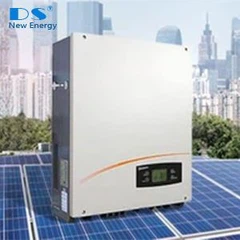
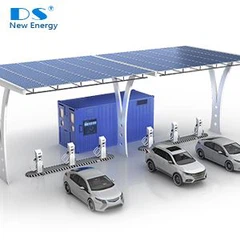
There is great difference between an inverter with built-in charger and a charge controller or a inverter. When do you choose one of them or both ? Read on for answers to this and other questions about PV + storage solutions, both on- and off-grid.
solar power inverters

The solar inverter is a device capable of converting DC into AC electricity.
Inverters are typical components of solar electric systems since solar panels generate DC electricity and most devices used in homes or offices operate on AC voltage.
Depending on its size a photovoltaic system could comprise either a single inverter or multiple ones.
There are two main types of solar systems – connected to the grid (grid-tied) and disconnected from the grid (off-grid).
Although the inverter’s main function is always the same – converting DC into AC electricity – these two kinds of solar power systems use different kinds of inverters.
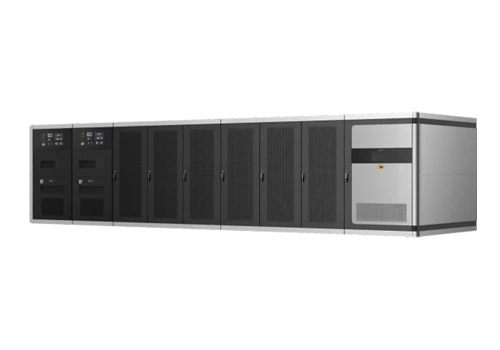
solar power inverter with buil-in charger

In a typical PV system, the inverter with buil-in charger accomplishes two basic tasks: 1) converts DC power from the batteries into household AC that can power standard appliances and other energy loads, and 2) converts AC into DC energy that can charge deep cycle batteries. This two-way exchange of energy is crucial for efficiently storing and using energy harvested by PV systems.
Hybrid inverter with buil-in chargers also allow multiple AC sources, such as a generator or the grid, to charge batteries. Whether you live off-grid and have cloudy days, or have utility power and the grid goes down, the inverter with buil-in charger can provide reliable and ready power.
solar power Charger

By contrast, a charge controller sends power in one direction, charging deep cycle batteries from the power generated by solar modules and preventing the current from draining back into the PV array at night.
Charge controllers come in two formats, PWM and MPPT, and may have a variety of other features as well.
For example, a MPPT solar charge controller with a battery temperature sensor, LED system information screen, and multiple electronic overcurrent protections. PWM (Pulse Width Modulation) and MPPT (Maximum Power Point Tracking) refer to how the charge controller modifies voltage in order to effectively charge batteries from a PV system.
In most cases the MPPT style charge controller is the better choice, capturing PV energy far more efficiently and allowing for more flexible configurations of solar panels and batteries.
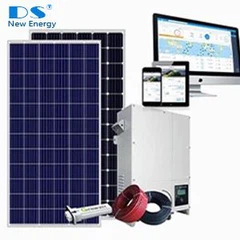
Almost all PV + storage applications require both an inverter with buil-in charger and a charge controller.
On the one hand, while MPPT charge controllers provide optimal charging efficiency, the light from the sun may still not be enough to reliably charge batteries in winter or during bad weather. Many power loads also require standard AC current. For both these reasons, an inverter with buil-in charger is required to keep batteries adequately charged and provide power that can be widely used.
On the other hand, inverter with buil-in chargers are not equipped to directly charge batteries from the DC current provided by a PV array. A charge controller is needed to appropriately match the PV voltage to the battery and regulate charging.