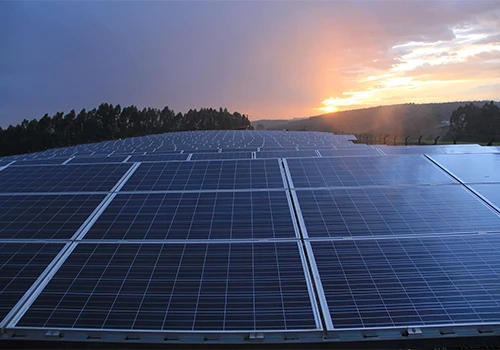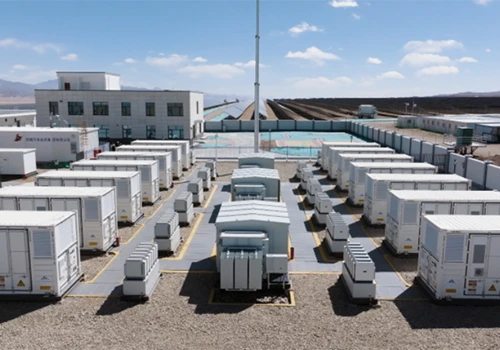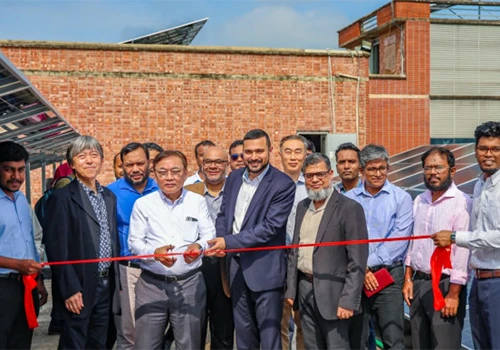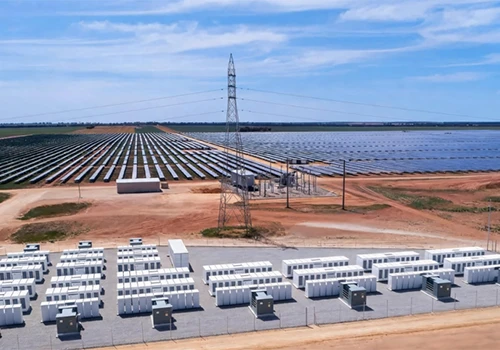
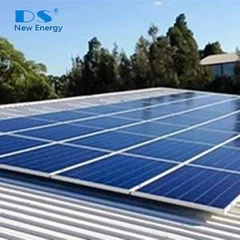
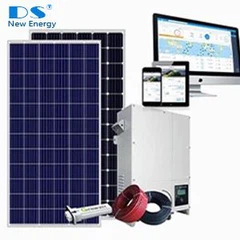
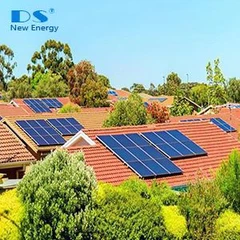
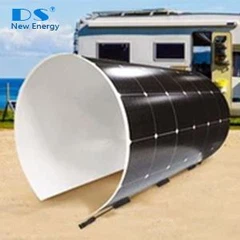
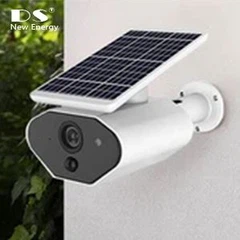
Photovoltaic (PV) communication base stations have become a key solution for green and reliable communication infrastructure, especially in regions with diverse geographical and climatic conditions. This article provides a detailed overview of six typical PV communication base station projects worldwide, focusing on their equipment configurations, technical parameters, and adaptive designs for the local environment.
Case 1: Suburban Cold Region Off-grid PV Base Station

Basic Information
- Location: Suburban area of a Northern European city
- Construction Period: September 2024 - March 2025
- Grid Connection Mode: Off-grid (no stable grid coverage)
- Base Station Type: Off-grid dedicated base station
- Total Investment: 128,000 Euros
|
Equipment Type |
Quantity |
Technical Parameters |
|
Monocrystalline Silicon Photovoltaic Module |
24 pieces |
450W; Low-temperature performance optimization; Conversion efficiency ≥18%; Snow load resistance ≥1.0kN/m² |
|
Lithium iron phosphate battery pack |
2 battery packs |
48V/500Ah; Total capacity 48kWh; Cold-resistant design (operable at -25°C); Cycle life ≥6000 times |
|
Backup Diesel Generator |
1 unit |
Capacity 8kW; Automatic start function; Low-temperature starting aid |
|
Power Management System |
1 set |
Seamless switching between PV, storage, and generator; Remote monitoring capability |
Environmental Adaptation
- PV modules with anti-icing coating to prevent snow and ice accumulation in winter
- Battery heating system activated when temperature drops below -10°C
- Wind-resistant bracket design (wind load resistance ≥2800Pa) to withstand strong winter winds
Case 2: Desert Area Grid-connected PV Base Station

Basic Information
- Location: Desert area in Western Australia
- Construction Period: March 2024 - June 2024 (avoiding summer high temperatures)
- Grid Connection Mode: Grid-connected with energy storage
- Base Station Type: Highway communication coverage base station
- Total Investment: 228,000 Australian Dollars
|
Equipment Type |
Quantity |
Technical Parameters |
|
High-temperature double-glass photovoltaic module |
45 pieces |
450W; Total capacity 20.25kW; High-efficiency monocrystalline silicon; Anti-reflective coating |
|
High-temperature lithium iron phosphate battery |
1 battery pack |
48V/625Ah; Total capacity 30kWh; High-temperature tolerance (up to 60°C); DOD ≥85% |
|
Grid-connected Inverter |
1 unit |
Capacity 15kW; Conversion efficiency ≥97%; Grid fault protection function |
|
Cooling System |
1 set |
For inverter and battery; Air-cooled design; Energy consumption ≤100W |
Environmental Adaptation
- Enhanced ventilation for equipment cabinets to dissipate heat in desert conditions
- Dust-proof covers for all electrical connections to prevent sand intrusion
Case 3: Coastal Area PV Base Station

Basic Information
- Location: Coastal area of a Brazilian city
- Construction Period: May 2024 - August 2024 (avoiding rainy season)
- Grid Connection Mode: Grid-connected with energy storage
- Base Station Type: Beach communication coverage base station
- Total Investment: 125,000 Brazilian Reals
|
Equipment Type |
Quantity |
Technical Parameters |
|
Salt fog-resistant photovoltaic modules |
40 pieces |
450W; Total capacity 18kW; Salt fog resistance grade C5-M; Corrosion-resistant aluminum frame |
|
Salt-resistant energy storage battery |
3 battery packs |
11.5KWh; Total capacity 34.5kWh; Moisture-proof design; Operating humidity ≤95% (non-condensing) |
|
Inverter |
1 unit |
Capacity 15kW; IP67 protection level; Anti-surge protection |
|
Lightning Protection System |
1 set |
For PV array and communication equipment; Protection level ≥20kA |
Environmental Adaptation
- All metal components with hot-dip galvanizing treatment to resist coastal corrosion
- Elevated installation of equipment cabinets (1.2m above ground) to prevent flooding
- Sealed cable entries to avoid saltwater intrusion
Case 4: Rural Area PV Micro Base Station Cluster

Basic Information
- Location: Rural area in Eastern China
- Construction Period: November 2024 - February 2025
- Grid Connection Mode: Grid-connected
- Base Station Type: Rural coverage micro base stations (cluster of 15 stations)
- Total Investment: 3.2 million Chinese Yuan (total for cluster)
|
Equipment Type |
Quantity |
Technical Parameters |
|
Monocrystalline Silicon Photovoltaic Module |
12 pieces |
540W; Total capacity 6.48kW; Adaptable to complex terrain installation |
|
Lithium iron phosphate battery |
1 battery pack |
48V/300Ah; Total capacity 14.4kWh; Low maintenance design; Cycle life ≥5000 times |
|
Mini Inverter |
1 unit |
Capacity 5kW; High efficiency at low power; Compact design |
|
Micro Base Station Equipment |
1 set |
Power consumption ≤800W; Wide voltage input range (110-240V) |
Environmental Adaptation
- Flexible PV bracket design suitable for rural uneven terrain
- Waterproof equipment cabinets to cope with frequent rural rainfall
- Low-noise operation (≤55dB) to avoid impacting rural life
Case 5: Urban Core Area 5G PV Base Station

Basic Information
- Location: Central business district of a major Chinese city
- Construction Period: April 2024 - July 2024
- Grid Connection Mode: Grid-connected
- Base Station Type: 5G macro base station
- Total Investment: 850,000 Chinese Yuan
|
Equipment Type |
Quantity |
Technical Parameters |
|
Monocrystalline Silicon Photovoltaic Module |
16 pieces |
670W; Total capacity 10.72kW; Building-integrated design; Aesthetic appearance |
|
Lithium iron phosphate energy storage battery |
3 battery packs |
48V/200Ah; Total capacity 28.8kWh; Fast charging capability (1C); Compatible with 5G peak load |
|
High-power Inverter |
1 unit |
Capacity 10kW; Three-phase output; Compatible with 5G base station power requirements |
|
5G Base Station Equipment |
1 set |
Power consumption 4.5kW; Support for multiple frequency bands; Remote management |
Environmental Adaptation
- Rooftop installation to save urban land resources
- Noise reduction design for cooling fans (≤60dB) to meet urban noise standards
- Anti-theft measures for PV modules and equipment
Case 6: Mountainous Area Off-grid PV Base Station

Basic Information
- Location: Mountainous area in South Africa
- Construction Period: July 2024 - October 2024 (avoiding winter heavy rains)
- Grid Connection Mode: Off-grid (completely no grid access)
- Base Station Type: Remote tribal communication coverage base station
- Total Investment: 280,000 South African Rand
|
Equipment Type |
Quantity |
Technical Parameters |
|
Sandproof photovoltaic module |
36 pieces |
450W; Total capacity 16.2kW; High irradiance utilization; Wind load resistance ≥2400Pa |
|
High-temperature energy storage battery |
1 battery pack |
48V/1000Ah; Total capacity 48kWh; Deep cycle design; DOD ≥80% |
|
Backup Diesel Generator |
1 unit |
Capacity 7kW; Low fuel consumption (≤210g/kWh); Automatic maintenance reminder |
|
Power Control Unit |
1 set |
Intelligent load management; Remote fault diagnosis; Battery equalization function |
Environmental Adaptation
- Steep slope installation brackets for mountainous terrain (adjustable angle 15-45°)
- Reinforced foundation design to prevent landslide impact
- Rainwater collection system for generator cooling water
These six photovoltaic communication base station projects demonstrate the versatility and adaptability of photovoltaic technology in different environments around the world. Whether in city centers or remote mountainous areas, along coastal regions or in deserts, photovoltaic systems can be customized to meet specific communication needs through appropriate equipment configuration and technical design.