
With the rapid advancement of renewable energy integration and the deepening of the global "dual carbon" strategy, Battery Energy Storage Systems (BESS) have become the core support for modern power systems, undertaking critical tasks such as peak shaving, valley filling, frequency regulation, and renewable energy fluctuation compensation. At the heart of the energy conversion and transmission chain of BESS lies a key component-the transformer. Unlike traditional power transformers, transformers for BESS are designed to adapt to the bidirectional energy flow, frequent charge-discharge cycles, and high harmonic interference characteristics of energy storage systems, serving as the "bridge" between battery modules, power conversion systems (PCS), and the power grid. This article systematically elaborates on the role, technical characteristics, application practices, key selection criteria, and future development trends of transformers in BESS, providing a comprehensive reference for the design, operation, and optimization of energy storage projects.
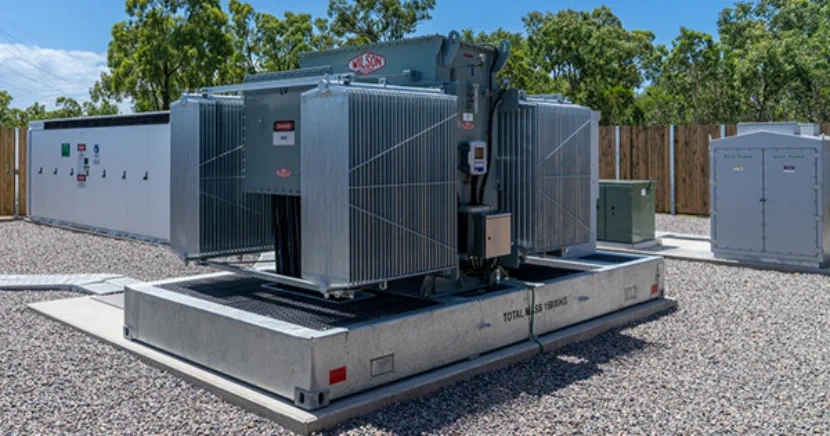
1. The Core Role of Transformers in Battery Energy Storage Systems
Battery energy storage systems operate based on the cyclic conversion of electrical energy: during the charging phase, the grid or renewable energy sources supply power to charge the battery modules (converted from AC to DC by PCS); during the discharging phase, the DC energy stored in the batteries is converted back to AC by PCS and fed into the grid or supplied to the load. Transformers, as the core interface equipment, undertake five indispensable core functions in this process, directly determining the efficiency, stability, and safety of the entire BESS.

1.1 Voltage Transformation and Matching
Battery modules in BESS usually output low-voltage DC energy, which is converted to low-voltage AC (typically 480V–690V) by PCS after inversion. However, the power grid generally operates at medium or high voltage levels (such as 10kV, 35kV, or higher) for efficient long-distance transmission. The transformer realizes the step-up of low-voltage AC to grid-level voltage during discharging, and the step-down of grid voltage to PCS-adaptable low voltage during charging, ensuring seamless matching between the energy storage system and the grid voltage grade[6]. For example, in the Dongguan 250KVA energy storage project, the transformer realizes voltage conversion from 800V to 400V, meeting the demand of integrating the energy storage system into the factory low-voltage distribution network.
1.2 Bidirectional Power Flow Management
Unlike traditional transformers that only handle unidirectional power flow, BESS transformers must adapt to the bidirectional flow characteristics of energy during charging and discharging. Through optimized winding design and magnetic circuit configuration, they ensure high efficiency and low loss in both working modes, avoiding energy waste caused by unidirectional design bottlenecks. This bidirectional adaptability is the key difference between BESS transformers and conventional power transformers, and it is also an important guarantee for the flexible operation of energy storage systems.
1.3 Galvanic Isolation and Safety Protection
BESS involves high-power electrical energy conversion, and the risk of faults such as overvoltage, short circuit, and harmonic interference is relatively high. Transformers provide effective galvanic isolation between the battery system, PCS, and the grid, preventing faults on one side from spreading to the other and protecting the safety of core components such as battery modules and PCS. For example, in lithium-ion battery energy storage projects, isolation protection can effectively avoid the risk of fire and explosion caused by grid-side faults affecting the battery cluster, improving the overall safety of the system.
1.4 Harmonic Mitigation and Stability Enhancement
PCS in BESS will generate a large number of high-order harmonics during operation, which will not only pollute the power grid but also cause overheating, aging, and efficiency reduction of transformer windings. BESS transformers adopt special winding connection methods (such as delta connection) and shielding technology to effectively suppress characteristic harmonics such as 3rd and 5th harmonics, reduce the impact of harmonic interference on the system, and ensure the stable operation of the energy storage system and the power grid.
1.5 Efficiency Optimization and Energy Loss Reduction
Transformers are one of the main energy-consuming components in BESS, and their energy loss (including no-load loss and load loss) directly affects the comprehensive efficiency of the energy storage system. High-efficiency BESS transformers can reduce energy loss through optimized core material selection, winding process improvement, and low-impedance design, thereby improving the economic benefits of energy storage projects. It is estimated that for a 35kV 3150kVA dry-type transformer, the annual power saving of a Class 1 energy efficiency transformer can reach about 14,000 kWh compared with a Class 3 energy efficiency transformer.
2. Technical Characteristics and Classification of BESS Transformers
Compared with traditional power transformers, BESS transformers face more severe operating conditions: frequent load changes, bidirectional power flow, high harmonic content, and strict safety requirements. Therefore, they have unique technical characteristics and are classified into different types according to application scenarios and design standards.
2.1 Core Technical Characteristics
High Cycling Adaptability: BESS needs to complete multiple charge-discharge cycles every day, and the transformer must withstand frequent load mutations and current fluctuations without performance degradation. Through the selection of high-quality silicon steel sheets and optimized winding structure, it can adapt to long-term high-cycling operation, with a service life of up to 60 years under reasonable maintenance.
Strong Harmonic Resistance: As mentioned earlier, the transformer adopts special structural design and material selection to suppress harmonic pollution, reduce winding heating and insulation aging caused by harmonics, and ensure stable operation under high harmonic environment[7].
High Short-Circuit Withstand Capacity: In the process of grid connection and operation, BESS may encounter sudden short-circuit faults. The transformer needs to have strong mechanical strength and electrical stability to withstand the impact of short-circuit current without deformation or damage, ensuring the safety of the entire system.
Flexible Voltage Regulation: In response to the voltage fluctuation of the power grid and the voltage change of the battery during charge-discharge, the transformer is equipped with a flexible voltage regulation mechanism (such as on-load tap-changer) to adjust the output voltage in real time, ensuring the stability of energy transmission.
Environmental Adaptability: BESS is widely used in outdoor, industrial parks, and other scenarios. The transformer needs to have good environmental adaptability, such as high temperature resistance, humidity resistance, dust resistance, etc. For example, in high-temperature and high-humidity areas such as Dongguan, transformers are equipped with forced air cooling interfaces and intelligent temperature control systems to reduce temperature rise and improve load capacity[7].
2.2 Main Classification
According to the cooling method, installation form, and application scenario, BESS transformers can be divided into the following categories:
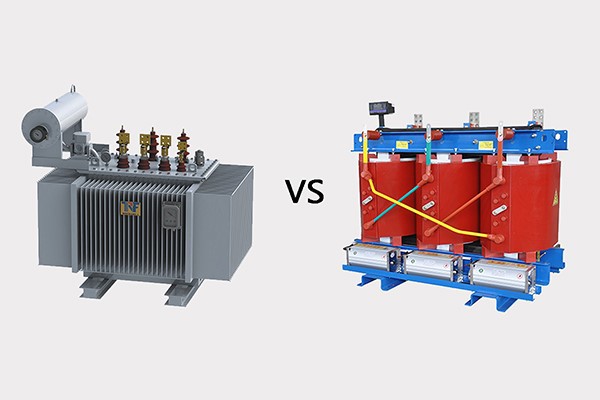
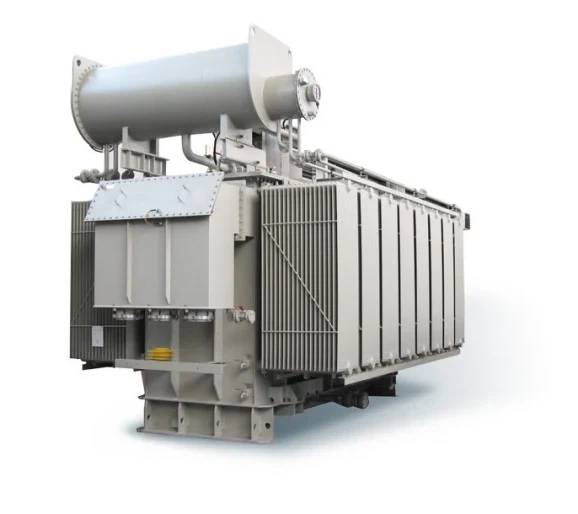
Dry-Type and Oil-Immersed Transformers: Due to the fire safety requirements of lithium-ion battery energy storage projects, dry-type transformers are generally used in domestic projects because they are oil-free and have better safety. However, oil-immersed transformers have advantages in cost, energy consumption, and environmental adaptability, and can also be selected when fire protection requirements are met. Dry-type transformers are widely used in indoor energy storage stations and industrial and commercial energy storage projects, while oil-immersed transformers are more suitable for large-scale outdoor utility-side energy storage projects.
Pad-Mounted and Indoor Transformers: Pad-mounted transformers are small in size, easy to install, and suitable for distributed energy storage projects (such as industrial and commercial parks, residential areas) with limited space; indoor transformers are mainly used in indoor energy storage stations, with better protection performance and suitable for harsh outdoor environments.
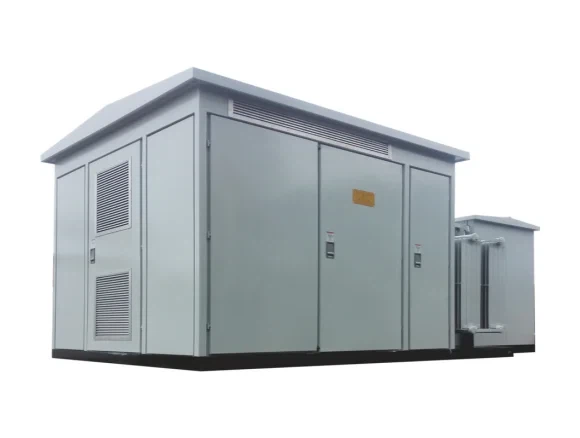
Isolation Transformers and Step-Up/Step-Down Transformers: Isolation transformers focus on providing galvanic isolation to protect system components, which are widely used in scenarios with high safety requirements; step-up/step-down transformers are the core equipment for voltage conversion, which are divided into step-up transformers (for grid connection of energy storage systems) and step-down transformers (for charging of energy storage systems) according to the direction of voltage conversion.
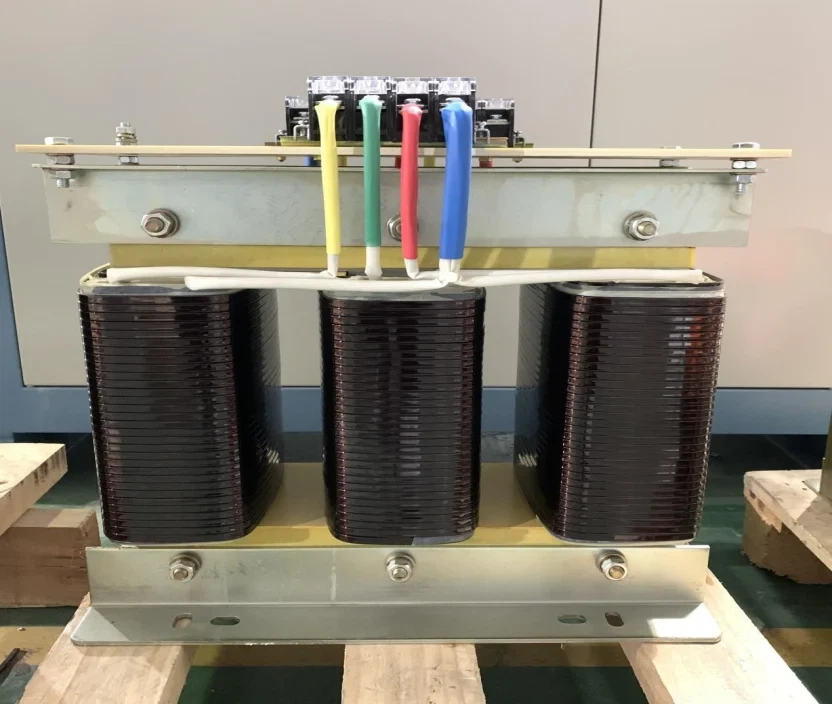
3. Application Practices of BESS Transformers
With the rapid development of energy storage industry, BESS transformers have been widely used in utility-side, industrial and commercial-side, and distributed energy storage projects, and have formed mature application solutions for different scenarios. The following combines typical cases to elaborate on their application characteristics.
3.1 Utility-Scale Energy Storage Projects
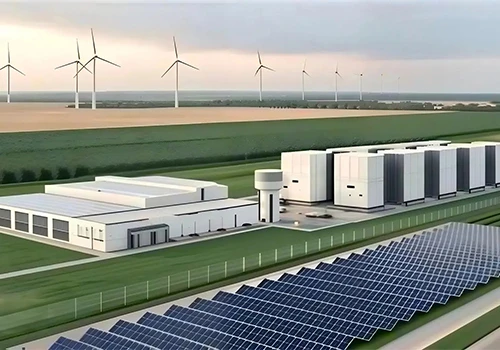
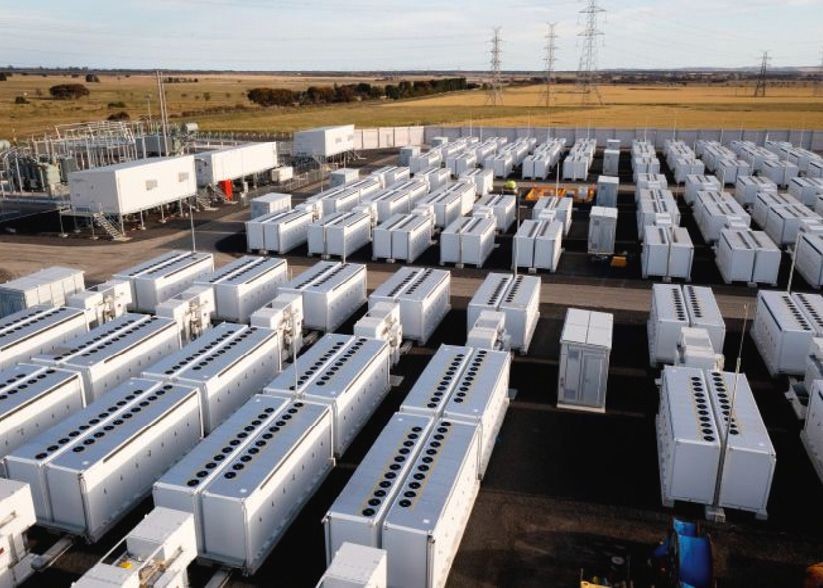
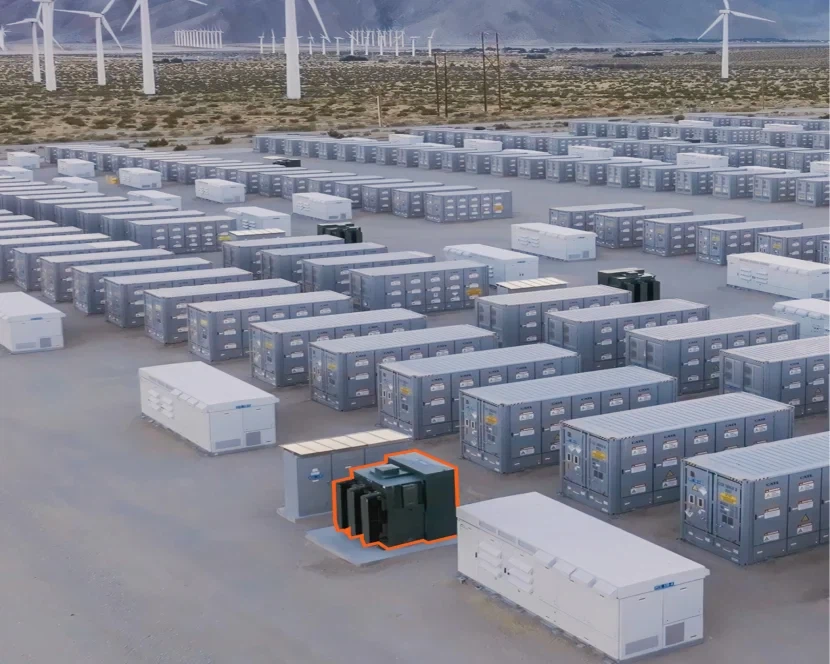
Utility-scale energy storage projects have the characteristics of large capacity, high power, and direct grid connection, which have high requirements on the efficiency, stability, and voltage grade of transformers. Generally, high-efficiency oil-immersed or dry-type step-up transformers are used to convert the low-voltage AC output by PCS to medium and high voltage (10kV–35kV or higher) and integrate it into the transmission and distribution network. For example, in large-scale wind-solar-storage complementary projects, transformers need to adapt to the intermittent and fluctuating characteristics of wind and solar energy, realize bidirectional energy flow management, and ensure the stability of the power grid. At the same time, they need to meet the relevant standards of IEC, IEEE, or UL to ensure long-term reliable operation.
3.2 Industrial and Commercial Energy Storage Projects
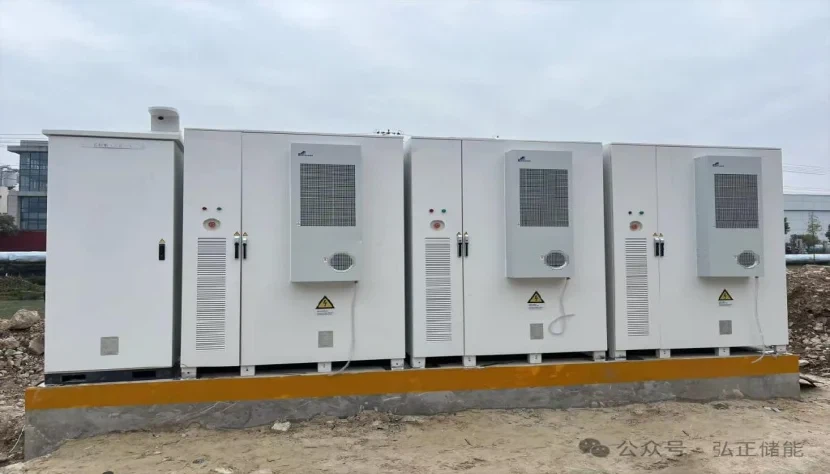
Industrial and commercial energy storage projects are mainly used for peak shaving, valley filling, and emergency power supply, with frequent charge-discharge cycles and high requirements on the response speed and harmonic resistance of transformers. The Dongguan Machong 250KVA energy storage project is a typical case: the project uses a 250KVA special energy storage transformer with 800V to 400V voltage conversion, which optimizes the winding design to adapt to bidirectional energy flow, adopts special shielding technology to suppress harmonics, and realizes millisecond-level voltage response through low-impedance design, perfectly matching the rapid adjustment needs of the energy storage system. In addition, the transformer is equipped with an intelligent temperature control system to adapt to the high-temperature and high-humidity climate in Dongguan, reducing temperature rise by more than 10K and ensuring the maximum energy storage benefit.
3.3 Distributed Energy Storage Projects
Distributed energy storage projects (such as residential areas, small industrial parks) have small capacity, small space occupation, and high requirements on the miniaturization and flexibility of transformers. Generally, pad-mounted dry-type transformers or small isolation transformers are used, which have the characteristics of small size, easy installation, and low noise. At the same time, they need to adapt to the voltage fluctuation of the distribution network and the frequent charge-discharge of small energy storage systems, ensuring the safety and stability of local power supply. For example, in household energy storage systems, small isolation transformers are used to isolate the battery system from the household power grid, preventing faults from affecting the safety of household electricity use.
3.4 Innovative Integration Architecture Application
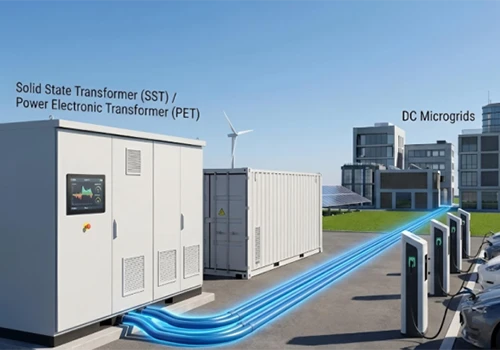
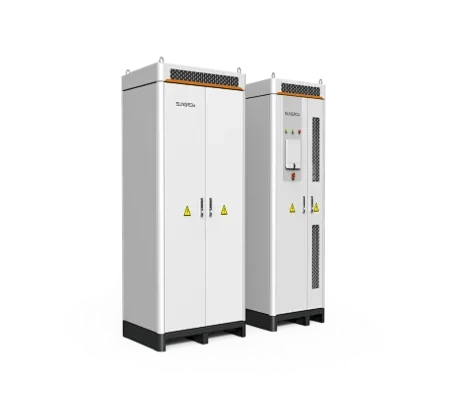
In recent years, with the development of smart transformer technology, an innovative architecture that integrates BESS into smart transformers has emerged. This architecture uses a current source-type four-active-bridge (CF-QAB) DC-DC converter as the core, and adds a port at the isolated DC-DC level of the smart transformer to realize the direct integration of BESS without additional converters. Compared with the traditional integration scheme, this architecture reduces the number of devices by about 20%, and the efficiency of the converter reaches 98.12%, which is significantly higher than the traditional scheme. Experimental verification shows that when the battery voltage changes, the low-voltage side voltage can be stably maintained, and the total transmission power can be dynamically adjusted without fluctuation, providing a new technical path for the efficient integration of BESS and transformers.
4. Key Selection Criteria and Technical Requirements for BESS Transformers
The selection of BESS transformers directly affects the efficiency, safety, and economic benefits of the entire energy storage system. It is necessary to comprehensively consider factors such as system capacity, voltage grade, operating conditions, and safety requirements, and follow the following key selection criteria and technical requirements.
4.1 Capacity Matching
The rated capacity of the transformer should be matched with the rated power of PCS, and at the same time, the auxiliary power loss and overload operation requirements should be considered. Generally, it should not be less than 1.05 times the rated power of the connected PCS to ensure the long-term safe operation of the transformer. It should be noted that blindly reducing the transformer capacity to reduce costs will lead to insufficient operation margin and affect the stability of the system. For example, in some centralized energy storage projects, choosing a transformer with insufficient capacity will lead to overheating and aging of the transformer during long-term operation, reducing its service life.
4.2 Energy Efficiency Level
The energy efficiency level of the transformer directly affects the energy loss and operating cost of the energy storage system. The national standard "Energy Efficiency Limit and Energy Efficiency Level of Power Transformers" divides energy efficiency into three levels, among which Level 1 has the highest energy efficiency. When selecting, it is necessary to comprehensively compare economy and efficiency and select transformers that meet the relevant energy efficiency standards. For large-scale energy storage projects with long operation time, selecting Level 1 energy efficiency transformers can save a lot of electricity costs in the whole life cycle.
4.3 Cooling Method Selection
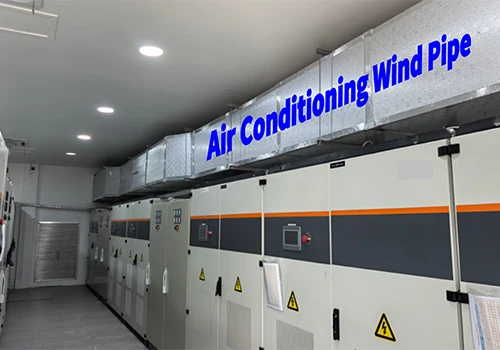
The selection of cooling method should be based on the application scenario and safety requirements. In indoor energy storage stations and lithium-ion battery energy storage projects, dry-type transformers should be preferred because of their good safety and no risk of fire and explosion. In outdoor large-scale energy storage projects, oil-immersed transformers can be selected when fire protection requirements are met, taking advantage of their low energy consumption and low cost. At the same time, corresponding cooling measures (such as forced air cooling, forced oil cooling) should be configured according to the operating environment to ensure that the transformer operates within the allowable temperature range.
4.4 Key Parameter Matching
In addition to capacity and energy efficiency, the selection of transformers also needs to consider the matching of key parameters such as rated voltage, short-circuit impedance, tap range, and connection group. For example, the rated voltage on the low-voltage side of the transformer should match the rated voltage on the AC side of PCS, and the rated voltage on the high-voltage side should match the voltage on the low-voltage side of the main transformer; the connection group usually adopts Dy11 connection mode to adapt to the bidirectional energy flow and harmonic suppression requirements of BESS.
4.5 Safety and Reliability
The transformer should have reliable insulation performance, short-circuit withstand capacity, and overvoltage protection function to adapt to the harsh operating environment of BESS. For example, the insulation level should meet the requirements of the operating voltage, and the winding should be treated with insulation to prevent insulation aging and breakdown; the transformer should be equipped with temperature monitoring, overcurrent protection, and other devices to timely detect and handle faults, ensuring the safety of the system.
5. Future Development Trends
With the continuous expansion of the scale of BESS and the continuous improvement of technical requirements, transformers for BESS are facing new challenges, while also showing a clear development trend towards high efficiency, intelligence, integration, and miniaturization.
5.2 Future Development Trends
High Efficiency and Low Loss: With the continuous improvement of energy efficiency standards, the research and development of high-efficiency transformers will become the focus. By adopting new core materials (such as amorphous alloy), optimizing winding structure, and improving manufacturing processes, the no-load loss and load loss of transformers will be further reduced, and the comprehensive efficiency of BESS will be improved.
Intelligent Upgrade: BESS transformers will be integrated with intelligent technologies such as Internet of Things (IoT), big data, and artificial intelligence. Through real-time monitoring of transformer operating parameters (temperature, current, voltage, etc.), predictive maintenance and fault diagnosis will be realized, reducing maintenance costs and improving the reliability of the system. At the same time, it will realize intelligent interaction with PCS and smart grids, improving the flexibility and controllability of energy storage systems.
Integration and Miniaturization: The integration of transformers and PCS will become a new trend, reducing the volume and weight of the system, simplifying the installation process, and reducing the cost of the entire energy storage system. For example, the innovative integrated architecture of smart transformers and BESS can reduce the number of devices and improve integration efficiency. At the same time, the miniaturization design will make transformers more suitable for distributed energy storage scenarios with limited space.
Customization and Diversification: With the diversification of BESS application scenarios (utility-side, industrial and commercial-side, distributed), the demand for customized transformers will increase. Transformers will be designed according to the specific needs of different projects, such as voltage grade, capacity, operating environment, and safety requirements, to improve the adaptability and economy of the system.
Green and Low-Carbon: In the context of the "dual carbon" strategy, the green and low-carbon transformation of transformers will be accelerated. The use of environmentally friendly materials (such as non-toxic and degradable insulation materials) and the optimization of energy-saving design will reduce the environmental impact of transformers, realizing the green development of the entire energy storage industry.
6. Conclusion
As the core interface component of Battery Energy Storage Systems, transformers undertake the key tasks of voltage conversion, bidirectional power flow management, safety protection, and efficiency optimization, which are crucial to the stable, efficient, and safe operation of BESS. With the rapid development of the energy storage industry, the technical requirements for BESS transformers are constantly improving, and transformers are developing towards high efficiency, intelligence, integration, and miniaturization.
In the future, with the continuous breakthrough of new materials, new technologies, and new architectures, BESS transformers will better adapt to the development needs of large-scale, intelligent, and green energy storage systems, provide stronger support for the integration of renewable energy and the construction of smart grids, and make important contributions to the global energy transformation and the realization of the "dual carbon" goal. For energy storage project designers, operators, and equipment manufacturers, it is necessary to pay full attention to the selection and application of transformers, and promote the healthy and sustainable development of the energy storage industry through scientific design, rational selection, and intelligent operation.