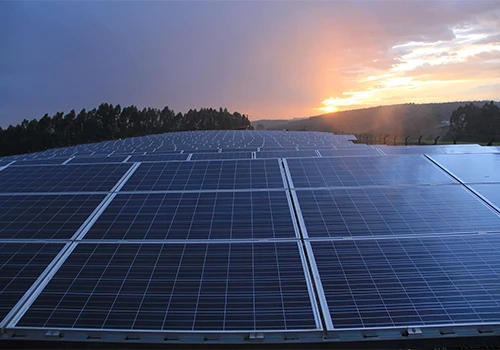
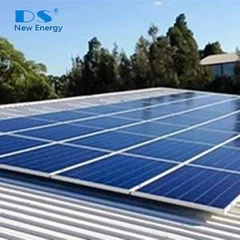
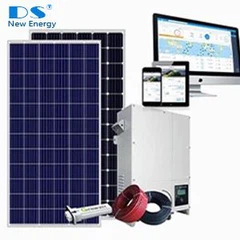
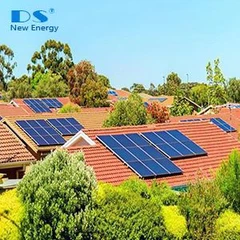


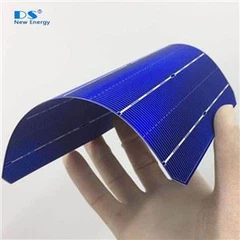

Agrivoltaic Systems or agriculture PV system is co-developing the same area of land for both solar photovoltaic power as well as for agriculture.
This novel technology promises to improve food production and lower water use, while also gain energy and additional revenue. It's a triple-win relationship between the three most foundational elements of modern life: food, water, and energy.
Solar panels can be positioned to allow plants just the right amount of sunlight, and then the excess sunlight can be harvested for electricity—and produce more than they would without crops below them. Agrivoltaics is a symbiotic relationship where both the solar panels and the crops benefit because they help each other perform better.
“Many of us want more renewable energy, but where do you put all of those panels? As solar installations grow, they tend to be out on the edges of cities, and this is historically where we have already been growing our food,” says Greg Barron-Gafford, an associate professor in the School of Geography and Development at the University of Arizona
A research done by The French scientists Christophe Dupraz and his team indicates that agrivoltaic systems increase global land productivity from 35 to 73 percent!
The researchers of the Fraunhofer Institute for Solar Energy Systems studied the same topic to find out how solar radiation and food crops can be used. The examination took place near Lake Constance which borders Switzerland, Germany, and Austria. For one year the pilot project used 720 bi-facial solar modules which covered around 1/3 of a hectare. They mounted the panels high enough, so crops receive almost the same amount of sunlight as if they grow naturally.