
Source: mysolarperks.com

Empowering Houses – Renewable Vitality and IoT Integration
The worldwide marketplace for good properties is presently projected to reach $246 billion by 2026, whereas the renewable power market is anticipated to develop at a charge of 8.3% yearly. These quickly rising sectors are set to revolutionize how we reside and energy our properties.
Think about a house where your photovoltaic panels talk together with your home equipment to optimize power use, guaranteeing the most effectiveness and minimal waste. This isn't a distant future, but a gift in actuality, because of the combination of renewable power with Internet of Things (IoT) expertise. By combining the ability of photo voltaic panels with the intelligence of good residence units, householders can obtain unprecedented ranges of power effectivity.
This integration is a game-changer for sustainability and power effectiveness. By harnessing renewable power and managing it intelligently, we will scale back our carbon footprint, decrease power prices, and contribute to an extra sustainable future. The synergy between photovoltaic panels and IoT does not solely make properties smarter but, in addition, extra environmentally pleasant, paving the way for a greener planet.
Understanding Renewable Vitality and IoT
Definition of Renewable Vitality Sources
Renewable power comes from pure processes which might be constantly replenished. In contrast to fossil fuels, which are finite and contribute to environmental air pollution, renewable power sources are sustainable and have minimal environmental effects.
Widespread examples of renewable power sources embrace:
Photovoltaic Vitality: Captured from daylight utilizing photovoltaic cells.
-Wind Vitality: is generated by wind generators that convert wind motion into electrical energy.
Hydroporous: Produced by capturing the power of transferring water, sometimes in rivers or dams.
-Geothermal Vitality: Derived from the warmth saved throughout the Earth.
-Biomass Vitality: Obtained from natural supplies like plant and animal waste.
Give attention to photovoltaic vitality.
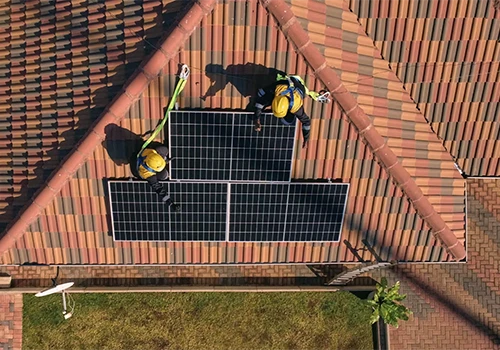
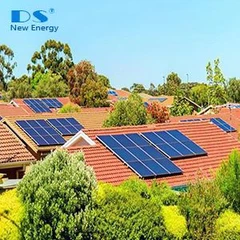
Photovoltaic power is likely one of the most accessible and broadly adopted types of renewable power for residential use. Right here's a more in-depth look at how photovoltaic panels work and their advantages:
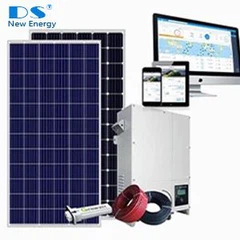
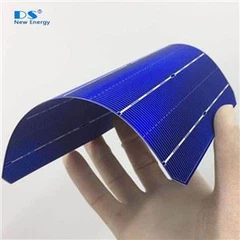
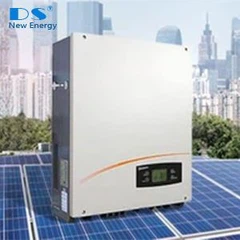
How Photo Voltaic Panels Work: Photo voltaic panels, often known as photovoltaic (PV) panels, encompass quite a few photovoltaic cells comprised of semiconductor supplies like silicon. When daylight hits these cells, it excites electrons, creating an electrical present. This direct present (DC) is then transformed to alternating present (AC) by an inverter, making it usable for residential home equipment.
Advantages of Photo voltaic Vitality:
- Environmental Influence: Photovoltaic power is clear and produces no greenhouse fuel emissions throughout the operation, considerably lowering the family's carbon footprint.
- Price and financial savings: By producing their electrical energy, householders can scale back and even remove their utility payments. Extra power can typically be offered to the grid again in a course generally known as internet metering.
- Vitality Independence: Photo voltaic panels present a stage of power independence, defending householders from rising electrical energy prices and energy outages.
- Incentives and Rebates: Many governments supply incentives, tax credits, and rebates to encourage the installation of photovoltaic panels, making them extra reasonably priced.
Web of Issues (IoT) Fundamentals
The Web of Issues (IoT) refers to a community of bodily units embedded with sensors, software programs, and different applied sciences that allow them to attach and change knowledge with different units and programs over the web. These units can vary from regular home goods to stylish industrial instruments, creating an interconnected ecosystem.
How IoT Works: IoT units acquire knowledge from their atmosphere, communicate this knowledge to a central system or different units, and may obtain and execute instructions primarily based on this knowledge. For example, a sensible thermostat can monitor the temperature and humidity in a house, communicate this information to a central system, and alter the heating or cooling primarily based on predefined preferences or real-time knowledge.
Examples of IoT Units Generally Utilized in Good Houses
Good Thermostats: These units study householders' preferences and alter heating and cooling programs for optimum consolation and power effectiveness. Examples include Nest and Ecobee.
Good Lighting: Programs like Philips Hue enable customers to regulate lighting remotely, set schedules, and alter brightness and color, contributing to power, financial savings, and comfort.
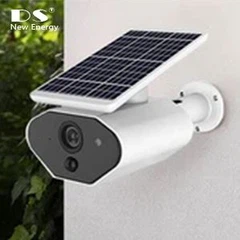
Good Safety Programs: These embrace cameras, doorbells, and alarm programs that may be monitored and managed remotely, enhancing residence safety.
Good Plugs and Shops: Units like TP-Hyperlink Kasa Good Plugs allow customers to regulate energy to varied home equipment and electronics, making it straightforward to scale back power consumption.
Dwelling Vitality Administration Programs: These programs present real-time monitoring and administration of power use, helping householders determine power hogs and optimize total consumption.
By integrating renewable power sources like photo voltaic panels with IoT expertise, householders can obtain a better level of power effectiveness, financial savings, and environmental sustainability. This synergy between clear power and good expertise represents a big step towards an extra sustainable and related future.