

Source: ft.com
Please use the sharing tools found via the share button at the top or side of articles. Copying articles to share with others is a breach of FT.com T&Cs and Copyright Policy.
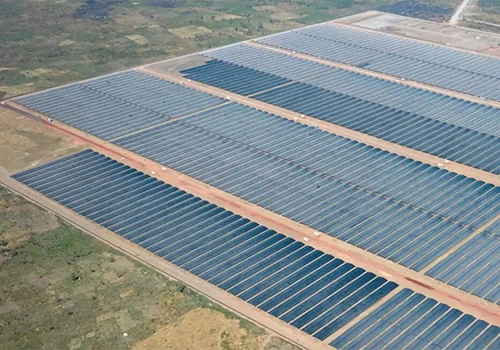
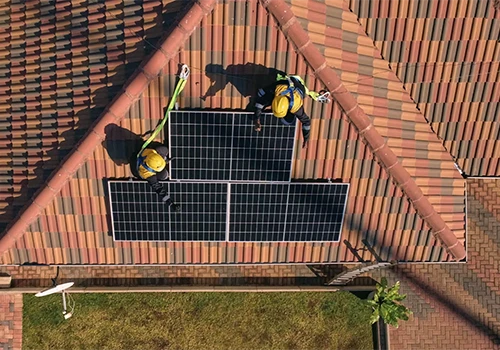
The International Energy Agency has declared an "Age of Electricity", as governments and private companies pour billions of dollars into connecting people around the globe to power grids. But even as the organisation hailed the arrival of the new era, it was also lamenting the lack of progress in getting power to the 730mn people worldwide it estimates are still without any access to electricity. Sub-Saharan Africa is by far the biggest laggard, accounting for 80 per cent of those without electricity. Although not unique to the region, existing grids in Africa are already grappling with blackouts, extreme weather events and the challenge of intermittency from renewable power sources. The key selling point for Sun King, which is 82nd in this year's FT-Statista ranking of Africa's fastest-growing companies, is that its products do not rely on local power networks. The company, which has hubs in Nairobi and Lagos, claims to be the world's biggest provider of off-grid solar energy infrastructure, both by revenue and by monthly installations. More than 50mn customers across sub-Saharan Africa use its products that include solar-powered lanterns and roof panels to charge phones, run fridges, freezers and televisions and bring electricity to schools. It has operations in 11 African countries, as well as India and Myanmar.

Please use the sharing tools found via the share button at the top or side of articles. Copying articles to share with others is a breach of FT.com T&Cs and Copyright Policy.
Monthly installations of solar kits across all its markets are running at about 330,000, up from 100,000 four years ago and 10,000 almost a decade earlier, according to Sun King. The company was officially founded in 2008 by students T Patrick Walsh and Anish Thakkar at the University of Illinois. Sun King's roots go back a year earlier when it was spun out of a project to bring power to a village in India as part of the global non-profit Engineers Without Borders campaign. Walsh moved to China in 2008 for more than four years to set up a research and development operation in Shenzhen and find manufacturers to supply products, while Thakkar was on the ground in India and Kenya going village to village setting up a sales distribution network. Most of the company's research and manufacturing remains in China. The original product, a solar-powered lantern, is still popular, and newer models come with charging ports for mobile phones and integrated radios. Its customer base still primarily lives in areas that are "rural, harsh, off-grid, with limited service infrastructure," Walsh says.